
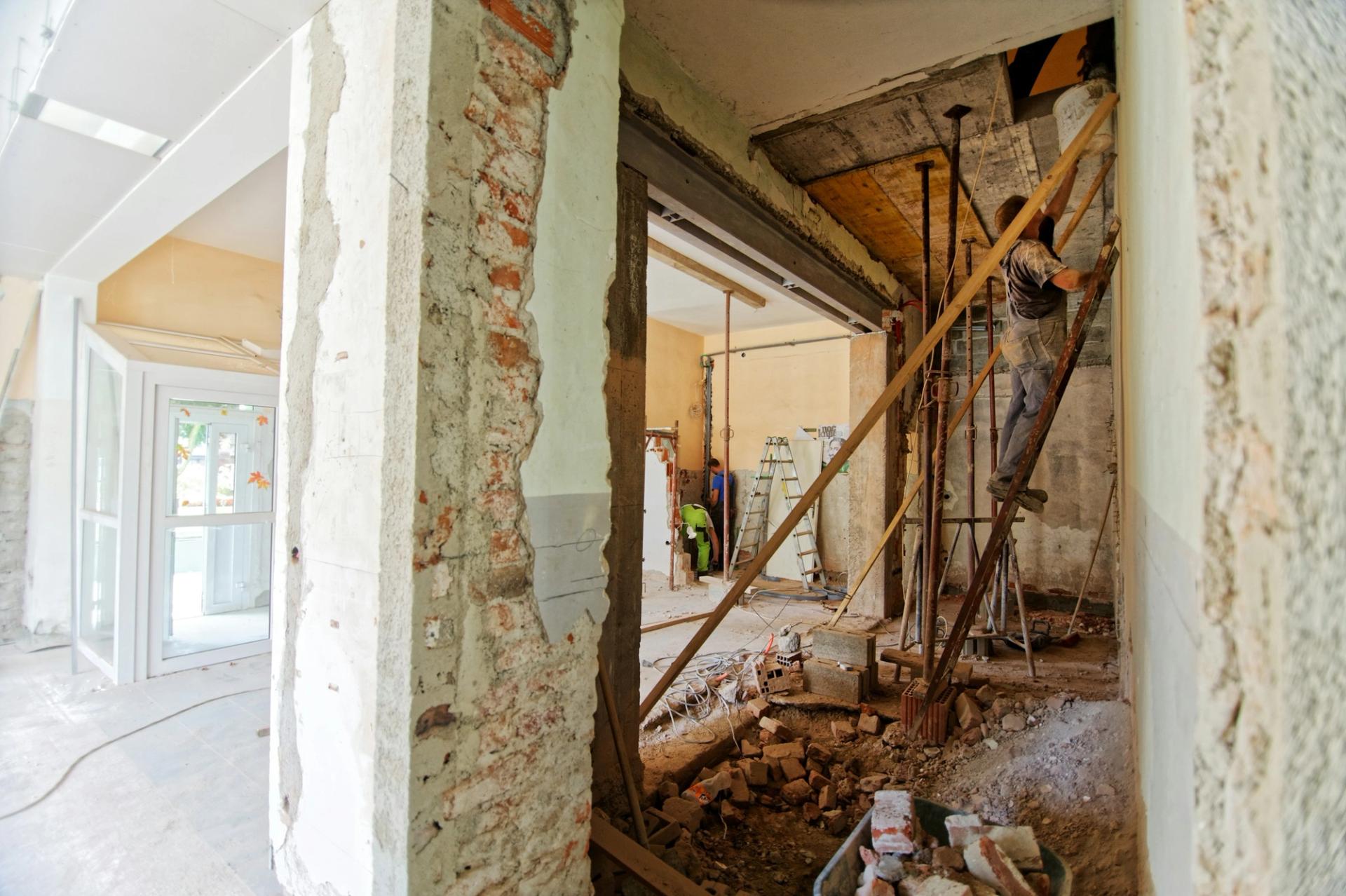
Renovation
Renovation loans roll the home purchase (or refinance) and the improvements into a single loan with one closing — and we're direct on all the major programs: FHA 203(k) Limited and Standard, Fannie Mae HomeStyle, Freddie Mac ChoiceRenovation and ChoiceReno eXPress, VA Renovation, and USDA Renovation Limited and Standard. Our in-house PRMI Renovation Center processes and underwrites every reno loan — so the team that approves your file is the team that manages the draws.
Key Benefits
- Single closing — purchase + renovation (or refinance + renovation) in one loan
- Loan based on the after-improved appraised value, not the as-is value
- All five major programs in-house — FHA, Fannie, Freddie, VA, USDA — we pick the best fit
- Structural and non-structural work on the right program (additions, conversions, accessibility, energy efficiency, kitchens, baths, roofs, septic/well, plumbing, HVAC)
- No second loan to refinance afterward — your permanent mortgage is in place from day one
- In-house PRMI Renovation Center approves contractors, manages draws, and inspects through completion
Who It's For
Buyers eyeing a home that needs work — foreclosures, fixer-uppers, dated homes in great neighborhoods — and homeowners who want to update without a HELOC or second mortgage. Whether it's a $10K kitchen refresh on a USDA Limited Reno or a $200K gut-rehab with an addition on a Standard 203(k), there's a program that fits.
All five programs at a glance
Pick the row that fits your project — full details on each program below.
All five programs require a 620 minimum FICO. AUS Accept/Approve/Eligible is required on every program (FHA 203(k) also permits manual underwriting; the others do not).
FHA 203(k) Limited
Up to $75K, non-structural
- Max reno
- $75,000
- Structural
- No
- Max LTV
- 96.5%
- Occupancy
- Primary 1–4u
- Time
- 6 mo
- Contingency
- 10–20%
- MI
- Life of loan
FHA 203(k) Standard
No cap, structural OK
- Max reno
- No cap
- Structural
- Yes
- Max LTV
- 96.5%
- Occupancy
- Primary 1–4u
- Time
- 6 mo
- Contingency
- 10–20%
- MI
- Life of loan
HomeStyle (Fannie)
Conventional, 75% reno cap
- Max reno
- 75% of value
- Structural
- Yes
- Max LTV
- 97%
- Occupancy
- Pri / 2nd / Inv
- Time
- 9 mo
- Contingency
- 10% (15%)
- MI
- Removable at 20%
ChoiceRenovation (Freddie)
Conventional, 75% reno cap
- Max reno
- 75% of value
- Structural
- Yes
- Max LTV
- 95–97%
- Occupancy
- Pri / 2nd / Inv
- Time
- 9 mo
- Contingency
- 10%
- MI
- Removable at 20%
ChoiceReno eXPress (Freddie)
Streamlined, small projects
- Max reno
- 15% / 10% of value
- Structural
- No
- Max LTV
- 95–97%
- Occupancy
- Pri / 2nd / Inv
- Time
- 9 mo
- Contingency
- 10%
- MI
- Removable at 20%
VA Renovation
Earned VA benefit, $50K cap
- Max reno
- $50,000
- Structural
- No
- Max LTV
- 100%
- Occupancy
- Primary 1u
- Time
- 75 days
- Contingency
- 10% (15%)
- MI
- None
USDA Limited
Zero-down, $35K, non-structural
- Max reno
- $35,000
- Structural
- No
- Max LTV
- 100% (105% w/ fee)
- Occupancy
- Primary 1u
- Time
- 6 mo
- Contingency
- 10% (15%)
- MI
- Annual fee 0.35%
USDA Standard
Zero-down, structural OK
- Max reno
- No cap
- Structural
- Yes
- Max LTV
- 100% (105% w/ fee)
- Occupancy
- Primary 1u
- Time
- 6 mo
- Contingency
- 10% (15%)
- MI
- Annual fee 0.35%
FHA 203(k) — Limited and Standard
FHA's 203(k) is the original renovation loan, and it's still the most flexible on credit. Two flavors: Limited 203(k) caps total renovation costs at $75,000 and stays non-structural (kitchens, baths, roofs, mechanicals, accessibility); Standard 203(k) handles anything over $75,000 and permits real structural work — additions, load-bearing changes, converting a single-family into a 2-4 unit, even reconfiguring the footprint.
Both come with 96.5% LTV on purchase, 620 minimum score, and FHA's flexible debt-to-income guidelines. The Limited version makes a HUD consultant optional (we'll tell you when one helps); Standard requires one. Multi-family is eligible up to 4 units provided you'll live in one. Both versions also pair with our Empower DPA program, which layers 3.5% or 5% repayable down-payment assistance on top — so you can renovate with little or nothing out of pocket.
Eligible work (Limited & Standard): kitchens, bathrooms, roofing, plumbing, HVAC, electrical, accessibility, energy efficiency, lead-paint remediation, decks/patios, existing in-ground pool repair (no new pools), appliances. Standard adds: additions, structural alterations, finished attics/basements, unit conversions, well/septic.
Ineligible: recreational/luxury improvements (new pools, hot tubs, tennis courts, gazebos, satellite dishes), commercial-use modifications.
Fannie Mae HomeStyle Renovation
HomeStyle is conventional renovation — the upside being PMI that comes off at 20% equity (FHA's MIP stays for the life of the loan in most cases). Up to 97% LTV on a 1-unit primary first-time-buyer purchase, with HomeReady and Home Possible variants for income-eligible borrowers. Eligible renovation costs are capped at 75% of (acquisition + renovation) or 75% of the as-completed appraised value — whichever is less.
HomeStyle handles primary, second-home, and investment properties — investment is 1-unit only, second home is 1-unit only, primary is 1-4 units. 620 minimum score; 50% max DTI; DU Approve/Eligible required (no manual underwriting). Work has to be completed within 9 months of the note date. 10% contingency reserve standard, 15% on more involved projects. Texas 50(a)(6) cash-out and Illinois are not permitted on HomeStyle.
Freddie Mac ChoiceRenovation & ChoiceReno eXPress
Freddie's two-tier renovation lineup mirrors Fannie's HomeStyle for larger projects, plus adds a streamlined option for smaller jobs. ChoiceRenovation is the full-fat version with a 75% renovation cap (same as HomeStyle). ChoiceReno eXPress is the streamlined version with a 15% cap in Duty-to-Serve areas (often rural and underserved communities) or 10% elsewhere — perfect for $20-50K cosmetic refreshes when you don't need the full reno underwriting overhead.
Both come with conventional rate sheets and removable PMI. 95% LTV on a 1-unit primary, with an expanded HomeOne option that goes over 95% for first-time buyers. 620 minimum score; LPA Accept required (no manual UW). 10% contingency standard. Florida attached condos carry stricter project-review requirements; Freddie's Home Possible variant is available for income-eligible borrowers.
VA Renovation
VA Renovation lets eligible Veterans, active-duty service members, and surviving spouses use their VA benefit to buy or cash-out refinance a home that needs minor improvements — with $0 down on purchase and no monthly mortgage insurance. It's a niche product nationally, but we run it regularly.
Key constraints: maximum $50,000 in renovation costs, non-structural and minor/cosmetic work only, 1-unit owner-occupied primary residence only, $1,000,000 maximum loan amount (including the VA Funding Fee). 100% LTV on purchase, 90% LTV on cash-out refinance.
VA Reno carries a 620 minimum FICO and a 45% DTI cap that applies regardless of AUS approval — this is one of the few places VA enforces a hard DTI ceiling. AUS Accept required, no manual underwriting. Standard VA seasoning applies: 24 months from a foreclosure, deed-in-lieu, short sale, or bankruptcy discharge. Work must be completed within 75 days of closing — 51% of renovation funds disburse at closing, the remaining 49% after final inspection. Surviving spouses of Veterans who died in service or from a service-connected disability are eligible — same as standard VA.
USDA Renovation — Limited and Standard
USDA Renovation is the only zero-down rural and suburban renovation loan in the country. Up to 100% LTV of the as-improved appraised value (or 105% if you finance the Guarantee Fee). Like FHA's 203(k), it comes in two flavors: Limited caps renovations at $35,000 and is non-structural only (home must be habitable at closing); Standard allows structural work, has no max repair dollar amount up to your loan ceiling, and can finance up to 6 months of PITI mortgage payment reserves if the property isn't habitable during construction.
1-unit owner-occupied primary residence only, in a USDA-eligible area (use the USDA Property Eligibility map from our USDA page to check). 620 minimum score, though USDA accepts non-traditional credit if at least one borrower has a score. GUS Eligible required, no manual UW. 6 months to complete the work; 10% contingency reserve standard, 15% if utilities aren't operational at closing. Loan limits follow USDA published county limits, with jumbo/high-balance available up to $750,000.
Important rules for every program
No DIY / self-help. Every renovation program requires a licensed, insured contractor. You cannot do the work yourself, even on small projects.
PRMI approves your contractor. Our Renovation Center reviews and approves the contractor before work starts — license, insurance, references, financial capacity. This protects you.
Contingency reserve is required. Renovation projects discover problems mid-build. 10% (sometimes 15%) of total renovation cost is held in reserve for the inevitable surprises. Unused contingency reduces your loan balance at the end.
Draws are released as work is verified. Funds disburse after an inspector confirms work is complete — not upfront, not based on the contractor's say-so. Lien waivers and title updates accompany each draw to protect the lien position.
AUS approval is required. Fannie, Freddie, VA, and USDA renovation loans all require an AUS Approve/Accept/Eligible — manual underwriting isn't permitted on those four. FHA 203(k) permits manual underwriting if needed.
The Renovation Process
- 1
Scope the project
We review your plans with you and identify the best program based on scope, occupancy, loan size, and your credit profile.
- 2
Underwrite the as-improved value
The appraiser values the home assuming the work is complete. Your loan is based on that future value — not what the property is worth today.
- 3
Close once
Single closing covers the purchase or refinance plus the renovation funds. Money goes into a custodial renovation escrow account.
- 4
Build & inspect
Draws are released as inspected work is completed. Our Renovation Center coordinates everything with your approved contractor through final inspection.
Frequently Asked Questions
What's a renovation loan, and how is it different from a HELOC?
A renovation loan rolls your home purchase (or refinance) and the improvement costs into a single first mortgage based on the after-improved value. A HELOC is a second lien against the equity you already have in the home — you have to own the home first, the equity has to exist, and you carry two payments. Renovation loans are how you finance work on a home you're buying or that doesn't have enough current equity. They also typically price better than a HELOC because the first-lien rate is lower than the second-lien rate.
Which program is right for me — 203(k), HomeStyle, ChoiceRenovation, VA Reno, or USDA Reno?
It comes down to three questions: (1) Do you qualify for VA or USDA? Those are usually the best deals if you qualify — VA has no MI and 100% LTV, USDA has zero down. (2) Is the work structural or just cosmetic? That filters out VA Reno and USDA Limited if structural. (3) Conventional or government? Conventional (HomeStyle / ChoiceRenovation) gives you removable PMI; FHA 203(k) is more credit-flexible but has life-of-loan MIP. We model your specific scenario against all the options before you commit.
How does the "as-improved" or "after-improved" appraisal work?
On a renovation loan, the appraiser values the property twice — once as-is (current condition) and once as-improved (assuming the renovation plans are completed). The loan amount is based on the as-improved value. Practically: the appraiser receives a copy of your contractor's bid and the work write-up, and projects what the home will appraise for after the work is done. That's the value that drives LTV and max loan amount.
What's a contingency reserve and why is it required?
Renovation projects discover surprises — old wiring, hidden water damage, a beam that wasn't supposed to be load-bearing. The contingency reserve is a 10-20% buffer (usually 10%) that we hold in your renovation escrow account to cover unexpected costs without blowing up your loan. If you don't use it, it reduces your principal balance at the end — you're not stuck with a higher loan if the project comes in clean.
Can I act as my own contractor (DIY)?
No — every renovation program prohibits do-it-yourself or self-help work. Even if you're a licensed contractor yourself, you can't be the contractor of record on your own renovation loan. The reason is risk: the lender, the insurer, and (for FHA/VA/USDA) the agency need an arm's-length, insured, accountable contractor for warranty and lien purposes.
How long do I have to finish the work?
Varies by program. VA Renovation is the tightest at 75 days. FHA 203(k) Limited and Standard, USDA Limited and Standard all give you 6 months. Fannie HomeStyle and Freddie ChoiceRenovation/eXPress give you 9 months. We'll structure the project timeline against the program limit upfront; extensions are sometimes possible for cause but they require lender (and sometimes agency) approval.
Can I include structural work — additions, load-bearing walls, conversions?
Structural work is permitted on FHA 203(k) Standard, HomeStyle, Freddie ChoiceRenovation, and USDA Standard. It's not permitted on FHA 203(k) Limited (capped at $75K, non-structural), Freddie ChoiceReno eXPress (streamlined, small projects only), VA Renovation (minor/cosmetic only), or USDA Limited Renovation. So if you're planning an addition or moving a load-bearing wall, your options narrow to four programs — we'll match you with whichever fits your loan profile.
What's the difference between FHA Limited 203(k) and Standard 203(k)?
Limited 203(k) caps total renovation costs at $75,000 and prohibits structural work — it's designed for cosmetic and mechanical updates. No HUD consultant is required (though one can be used). Standard 203(k) has no upper limit on renovation cost (subject to the loan ceiling) and permits structural work, additions, and unit conversions. A HUD consultant is required, and the loan goes through a more detailed work write-up and cost-review process. If your scope is over $75K or includes anything structural, you're in Standard territory.
What's the difference between Freddie's ChoiceRenovation and ChoiceReno eXPress?
ChoiceRenovation is Freddie's full-featured reno loan — up to 75% of value in renovation costs, structural work allowed, comparable to Fannie's HomeStyle. ChoiceReno eXPress is the streamlined cousin: smaller projects only (15% of value in Duty-to-Serve areas, 10% elsewhere), no structural work, but a faster, simpler underwriting and inspection process. Use eXPress for a $20-50K kitchen-bath-paint-floor refresh; use full ChoiceRenovation when scope is bigger or includes structural changes.
Can I do a renovation loan on a multi-family home?
Yes on several programs. FHA 203(k) Limited and Standard allow 1-4 unit primary residences (you have to live in one unit). HomeStyle allows 1-4 units on primary residence purchases. ChoiceRenovation allows 1-4 units. VA Renovation and USDA Renovation are both 1-unit only. So if you're house-hacking a duplex / triplex / fourplex, FHA 203(k), HomeStyle, and ChoiceRenovation are your options.
Investment properties — what's eligible?
Conventional only. HomeStyle allows 1-unit investment property purchases and limited-cash-out refinances (85% LTV purchase, 75% refi). ChoiceRenovation allows 1-unit investment at 85% LTV, 2-4 unit at 75% LTV. FHA 203(k), VA Reno, and USDA Reno are all owner-occupied primary residence only — no investment use. ChoiceReno eXPress is also restricted on investment use.
What about manufactured homes — can they be renovated under these programs?
Yes on most programs, but only multi-width (no single-wides) and typically cosmetic renovation only. HomeStyle and ChoiceRenovation both allow multi-width manufactured with cosmetic renovation only — no structural changes, no High Balance variant. FHA 203(k) similarly limits multi-wide manufactured to cosmetic renovation. VA Renovation does not permit manufactured homes. USDA Renovation does not permit repairs to manufactured homes.
Can I refinance my current home with a renovation loan?
Yes on most programs. FHA 203(k), HomeStyle, ChoiceRenovation, VA Renovation, and USDA Renovation all support a refinance + renovation combo — your existing mortgage is paid off and the new renovation loan replaces it, with renovation funds rolled in. The math is based on the as-improved value: existing payoff + renovation cost + closing costs ≤ the as-improved value times the LTV cap. USDA is limited to purchase only — no refinance under USDA Renovation.
How are draws paid out during construction?
Renovation funds sit in a custodial escrow account at closing. As your contractor completes phases of work, an inspector verifies the work is done; you sign off; then the lender releases that portion of funds via a two-party check (you and the contractor). A 10% holdback is typically kept on each draw, released only after final inspection and the certificate of completion. This protects you — money flows only as work flows.
Related Programs
Ready to get started?
Let's talk through your options. No pressure, no obligation — just straight answers from a team that does this every day.

